Getting started
How to Become a Clipper: A Beginner's Guide
How to become a clipper with no followers or experience: find content you have permission to use, create short-form videos, publish them across social platforms and earn money based on verified views.
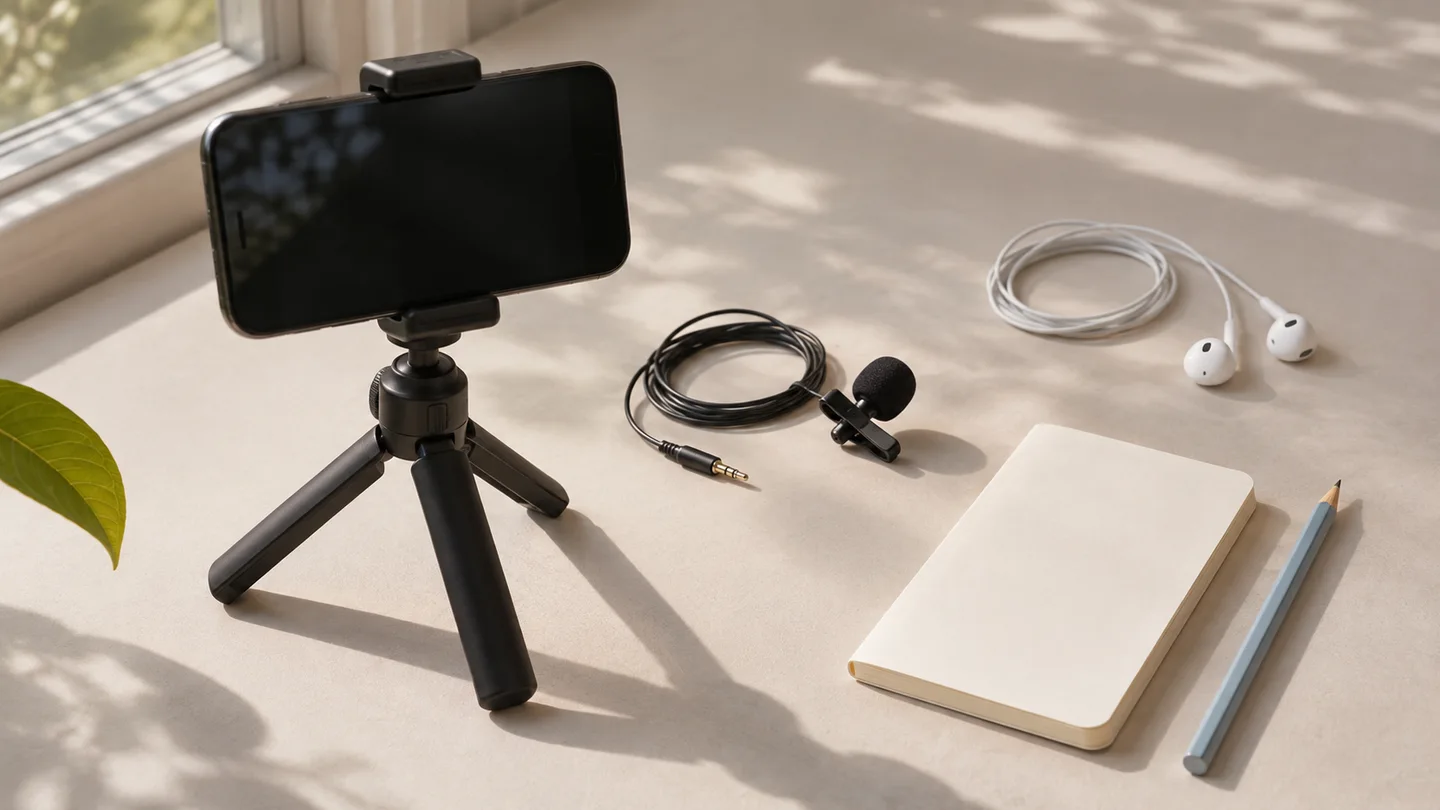
How to become a clipper with no followers or experience: find content you have permission to use, create short-form videos, publish them across social platforms and earn money based on verified views.
A clipper takes long-form content such as streams, podcasts, music, interviews and product videos and turns it into short vertical clips for TikTok, YouTube Shorts, Instagram Reels and X.
Creators and businesses often have more footage than they can edit and distribute themselves. Clipping creates an opportunity for independent editors to turn that existing content into short videos, expand its reach and earn money based on performance.
You don’t need an existing audience, professional editing experience or expensive software to start. You need social media accounts, a free editing tool, access to content you are permitted to use and the patience to learn what makes people stop scrolling.
In Short
- You can start without followers or previous editing experience.
- Find creators, businesses or campaigns looking for short-form video distribution.
- Choose content that you have permission to edit and publish.
- Create vertical videos with strong hooks, captions and engaging edits.
- Publish clips on your social media accounts and track their performance.
- Payment arrangements can include a fixed rate per verified view or a share of a campaign’s reward pool.
- Payment terms, minimum view thresholds and approval requirements depend on the campaign or client.
What a Clipper Actually Does
Creators and businesses produce more long-form content than they can realistically distribute across every social platform.
A two-hour podcast might contain dozens of interesting moments. A livestream could produce several entertaining highlights. A new product, song or service might benefit from multiple short videos published by different creators.
Clippers help turn this existing content into more opportunities for discovery.
Your job on each project involves four main activities:
- Find moments worth clipping: Identify interesting conversations, useful information, entertaining reactions, strong opinions or memorable moments.
- Edit them into short videos: Create vertical clips with an engaging opening, readable captions and a clear payoff.
- Publish the clips: Upload them to your own social media accounts, following the agreed content and publishing requirements.
- Track performance: Share the published links and track views, engagement and other agreed performance metrics.
- The objective is to make existing content work harder across multiple platforms.
Get Started in Five Steps
1. Choose Your Social Media Accounts
Start with the platforms you already understand and use.
You can create a separate account dedicated to clipping or use an existing public account, provided it follows the client’s requirements.
Popular platforms include TikTok, YouTube, Instagram and X.
Keep your accounts public if you are working with campaigns that require public view tracking.
2. Find a Paid Campaign or Creator
Look for creators, podcast producers, businesses, music labels and other organisations that want their content distributed through short-form videos.
Check opportunities through:
- Creator and influencer communities.
- Freelance marketplaces.
- Social media creator groups.
- Direct outreach to podcast hosts and streamers.
- Businesses running user-generated content campaigns.
- Content distribution and clipping opportunities.
- Before starting, understand what content you can use, which platforms are accepted, what the payment structure is and how performance will be measured.
3. Understand the Campaign Requirements
Every campaign or client can have different requirements.
A typical brief may specify:
- Payment per 1,000 or 100,000 verified views.
- A fixed reward pool distributed among participants.
- Minimum view thresholds.
- Accepted social media platforms.
- Required captions, sounds, tags or brand mentions.
- Content restrictions and audience requirements.
- Submission and payment deadlines.
- Read these conditions before spending time editing.
4. Create and Publish Your Clip
Select an interesting section of the source footage and turn it into a short-form video.
Follow the campaign’s instructions, publish it on an approved account and save the post URL.
5. Submit Your Published Video
Depending on the campaign, you may need to submit your post link through a tracking dashboard, spreadsheet or directly to the client.
Performance can then be measured using platform analytics or an agreed tracking system.
Keep your original posts public until the campaign’s review and payment process is complete.
Choose Your First Platform
You can eventually publish across all four major platforms, but starting with one helps you understand its audience and recommendation system.
| Platform | Works Well For |
|---|---|
| TikTok | Trends, sounds, entertainment and fast hooks |
| YouTube Shorts | Gaming, podcasts, educational and evergreen content |
| Instagram Reels | Music, lifestyle, visual storytelling and brands |
| X | Sports, news, commentary and discussions |
A campaign may offer different payment rates depending on the platform. Check the terms before deciding where to publish.
The Tools You Need
You can start with a smartphone or laptop and a free video editor.
Here are some commonly used editing options:
| Tool | Best For |
|---|---|
| CapCut | Beginner-friendly short-form editing and captions |
| DaVinci Resolve | Advanced editing and colour correction |
| Adobe Premiere Pro | Professional video editing |
| VN Video Editor | Simple mobile video editing |
| Canva | Text overlays, layouts and basic video editing |
You don’t need a camera, microphone or recording studio. You are working with existing footage supplied by or made available through the content owner.
Start with a simple editor and upgrade your workflow as your skills improve.
Make Clips That Get Watched
Social media recommendation systems change constantly. There is no guaranteed posting time, hashtag count or editing formula that will make every clip successful.
However, several principles consistently help improve short-form videos.
Hook Viewers in the First Second
Start with the most interesting moment, a surprising statement, a question or the beginning of an engaging conversation.
Avoid lengthy introductions.
Use Vertical 9:16 Video
Reframe the footage for a vertical screen. Keep the speaker, action or main subject clearly visible.
Add Captions
Many people watch videos without sound. Captions make conversations easier to follow and help viewers stay engaged.
Edit Instead of Simply Reposting
Use thoughtful cuts, zooms, text overlays and pacing adjustments.
A good clip should feel deliberately edited rather than like an arbitrary section taken from a longer video.
Give Viewers a Payoff
If your opening introduces an interesting question or statement, make sure the rest of the clip delivers something worthwhile.
Publish Consistently
Experiment with different moments, formats and hooks. Publishing regularly gives you more opportunities to understand what works with your audience.
How Clipper Payments Work
There are several ways clients and campaigns compensate clippers.
Two common performance-based payment models are per-view payments and shared reward pools.
| Payment Model | How Earnings Are Calculated |
|---|---|
| Per view | Your eligible views are multiplied by an agreed rate. |
| Reward pool | A fixed amount is distributed among participants based on their share of eligible views. |
The exact rates and payment conditions depend on the campaign or agreement.
Per-View Payment Example
Suppose a campaign offers $50 per 100,000 verified views.
If your clip reaches 200,000 eligible views:
- 200,000 ÷ 100,000 × $50 = $100
- This is an illustrative calculation. Actual earnings depend on the campaign’s minimum thresholds, verification rules and approval process.
Minimum View Requirements
Some campaigns have minimum view requirements.
For example:
- A published post may need to reach 1,000 views before it becomes eligible for counting.
- The campaign may also require a minimum combined number of eligible views before releasing payment.
- Always distinguish between total platform views and views that qualify under the campaign’s payment rules.
Payouts and Payment Timing
Payment arrangements vary between clients and campaigns.
Common payment methods include:
- PayPal.
- Cryptocurrency payments such as USDT or USDC.
- Bank transfers.
- Other payment methods agreed upon with the client.
- Some campaigns pay after a fixed period, while others operate on payment cycles.
- A typical process looks like this:
- Publish your clips.
- Submit their URLs.
- Allow the campaign to track and verify performance.
- Wait for the campaign’s review and approval.
- Receive payment through the agreed payment method.
- Remember that estimated earnings are not necessarily approved or payable earnings. A video may be removed from the final calculation if it fails the campaign’s requirements.
Rules That Protect Your Earnings
Breaking campaign rules can result in rejected videos, withheld payments or removal from future opportunities.
Follow these basic practices:
- Never purchase views, likes or artificial engagement.
- Do not use bots or automated engagement services.
- Follow the campaign’s audience and language requirements.
- Use the requested sounds, captions and tags where applicable.
- Keep engagement metrics visible when verification requires them.
- Avoid duplicate uploads and repetitive low-effort content.
- Keep published clips available until the payment process is complete.
- Obtain permission before editing and distributing someone else’s content.
Can You Work With a Team?
Yes. Clipping can be done individually or collaboratively.
A team can divide responsibilities across different activities:
- Finding interesting moments.
- Editing and captioning videos.
- Researching trends and content opportunities.
- Publishing across social platforms.
- Tracking views and campaign performance.
- Some teams also operate with a captain or manager who coordinates work and receives a commission from members’ earnings.
- Before joining a team, understand its commission structure and what it offers in return, such as editing feedback, shared research, campaign access or publishing support.
Where to Go From Here
Start with one creator or campaign whose content you understand. Create a handful of clips, publish them consistently and observe which formats attract attention.
Once you understand the basics, experiment with different content categories, platforms and editing styles.
You can also explore clipping as a side hustle alongside a regular job, provided you can maintain a consistent publishing schedule.
The most important skill is learning to recognise which moments from longer content have the potential to become engaging short videos.
Frequently Asked Questions
Do I need followers to become a clipper?
No. Many performance-based campaigns focus on verified views rather than follower counts. However, some clients may have additional account requirements.
Does it cost anything to start clipping?
Not necessarily. You can begin with free editing software and existing social media accounts. Some opportunities may have additional requirements, but professional equipment is not essential.
How do minimum views work?
Each campaign defines its own eligibility rules. Some require an individual video to reach a minimum number of views, while others also require a combined view threshold across all submitted clips.
Can I join more than one campaign?
Yes, provided you can meet the requirements of each campaign and have permission to use the relevant content. Make sure you follow the individual publishing and submission rules.
When do clippers get paid?
Payment timing depends on the client or campaign. Some operate on fixed payment cycles, while others release payments after performance verification and approval.
Is clipping a legitimate way to earn money?
Yes. Businesses and creators can legitimately pay independent editors and publishers to distribute authorised clips of their content. However, earnings are not guaranteed. They depend on the agreement, content quality, audience reach and verified performance.
Can clipping be done as a side hustle?
Yes. You can work on clips around your existing schedule. Start with a manageable publishing routine and increase your output as you become more efficient at identifying and editing worthwhile moments.
Do I need professional video editing experience?
No. Basic editing skills are enough to begin. Understanding storytelling, pacing, captions and audience attention becomes increasingly important as you gain experience.